What Are The Effects of Soiling on Solar Panels?
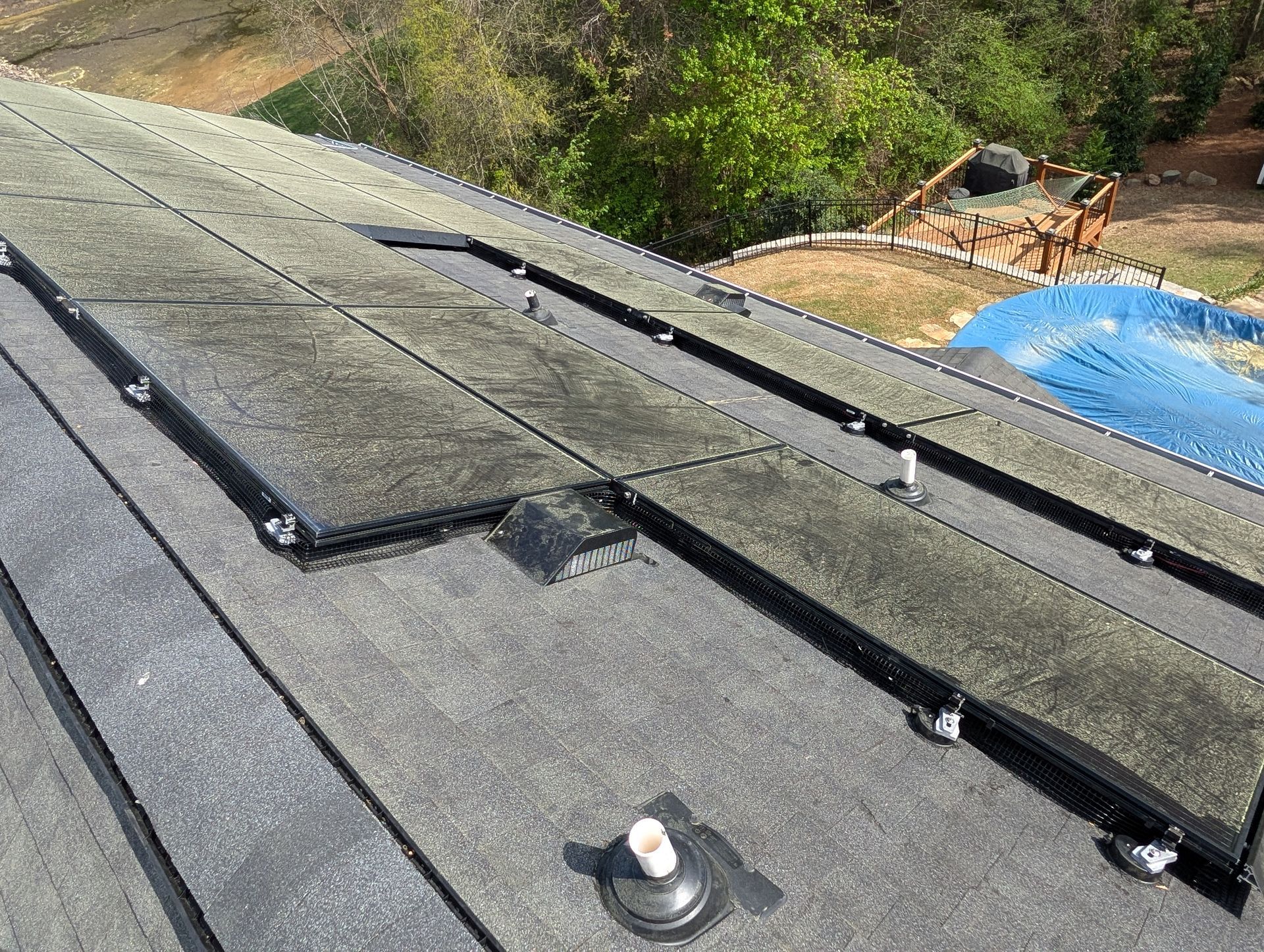
Solar panels are built to withstand the elements, but that doesn't mean they're immune to performance loss. One of the more common (and less understood) causes of reduced performance is due to soiling of the surface: the buildup of dirt, dust, pollen, bird droppings, salt residue, and other airborne debris on the panel surfaces.
Fortunately, that problem is what Solar Clean Pros is in the business of solving.
Let's Talk About Solar Panel "Soiling"
In terms of solar panels, soiling refers to any material that accumulates on the surface of a solar panel and blocks sunlight from reaching the cells effectively. Common sources include:
- Dust and dirt
- Pollen and organic debris
- Bird droppings
- Salt residue (looking at you coastal solar owners)
Because solar panels rely on direct sunlight, anything that interferes with light transmission can reduce output.
How Soiling Impacts Energy Production
Soiling can reduce solar performance in a couple of ways:
- Less Light Reaching the Cells:
- Debris scattering across the surface and blocking sunlight, lowering usable energy converted into electricity
- Uneven Soiling Causes Disproportionate Losses:
- Uneven dirt patterns and obstructions like bird droppings can hurt output more than uniform soiling
A 2023 peer-reviewed study published in Sustainability (MDPI) found that soiling losses vary significantly by environment and conditions, but consistently result in measurable efficiency reductions when panels are left uncleaned over time. This study also highlights that soiling is a site-specific issue, meaning that your climate, surrounding land use, and weather patterns play a major role in performance drops.
That means that two systems installed in the same year, could perform very differently based on cleanliness of the panels.
Reduce Soiling Losses with Preventative Maintenance
The good news is that soiling is an easy performance problem to correct!
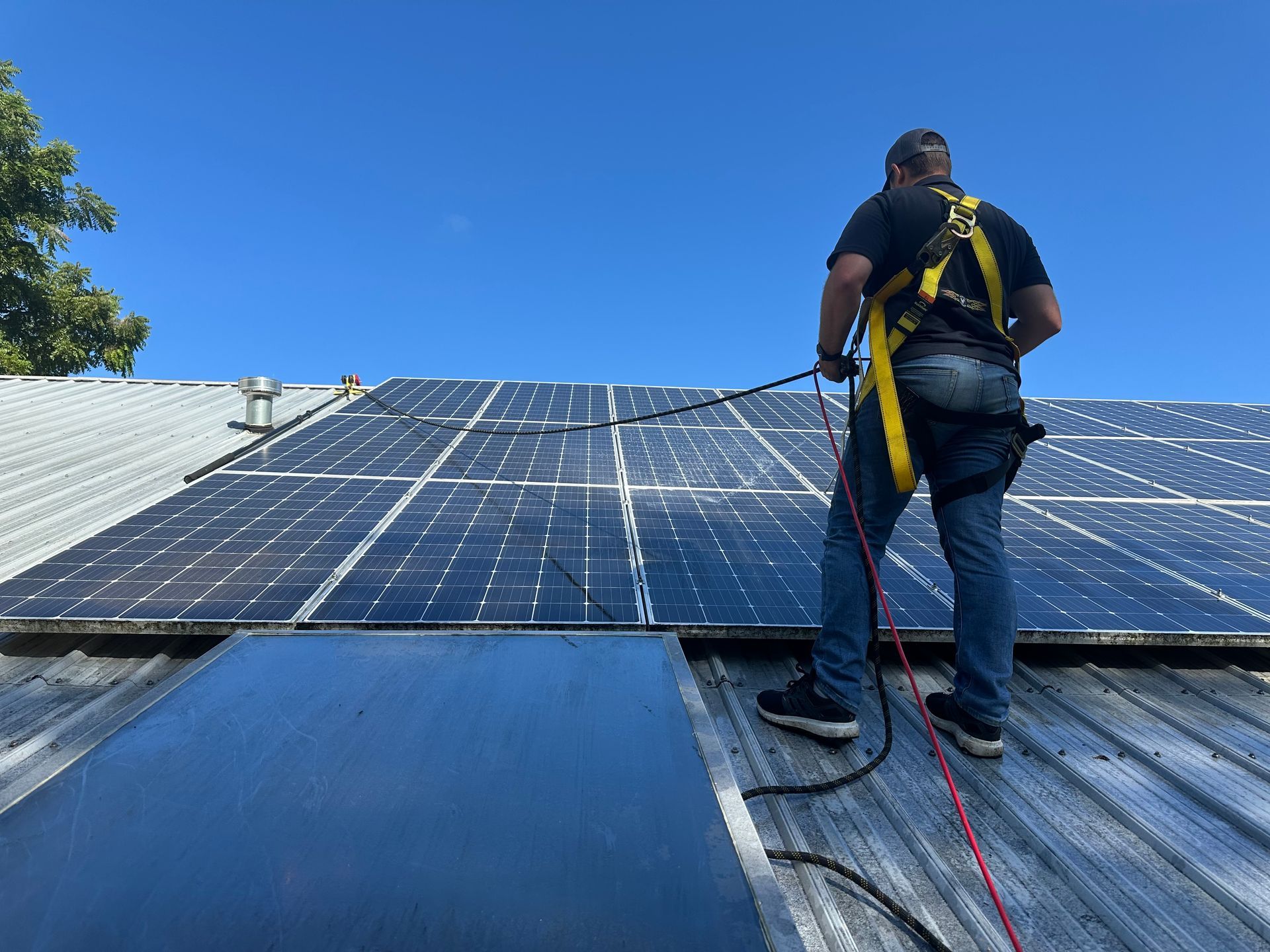
Regular professional cleanings (even if just annually), can help to:
- Restore some lost efficiency
- Prevent uneven buildup and hot spots
- Extend the effective lifespan of your solar system
- Protect your return on investment
Request More Information
Check Out Other Posts