Pollen Season & Solar Panels: What You Should Know

March 20, 2026

If you're a local to the Southeast, you know that March typically kicks off what is known as "pollen season." While most people notice pollen accumulate on cars, decks, and outdoor furniture, most people aren't thinking about their solar panels.

How Pollen Affects Solar Panels

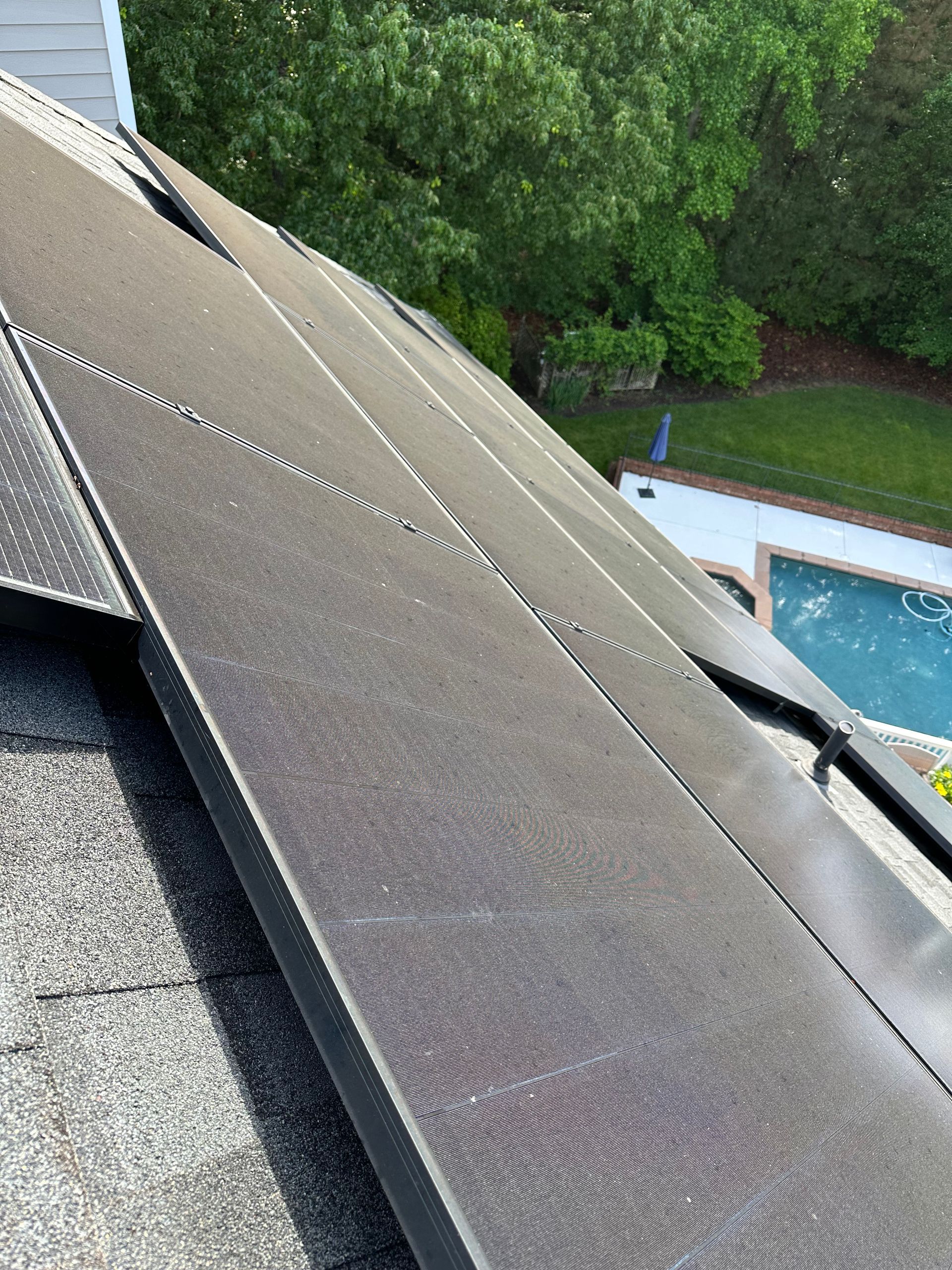
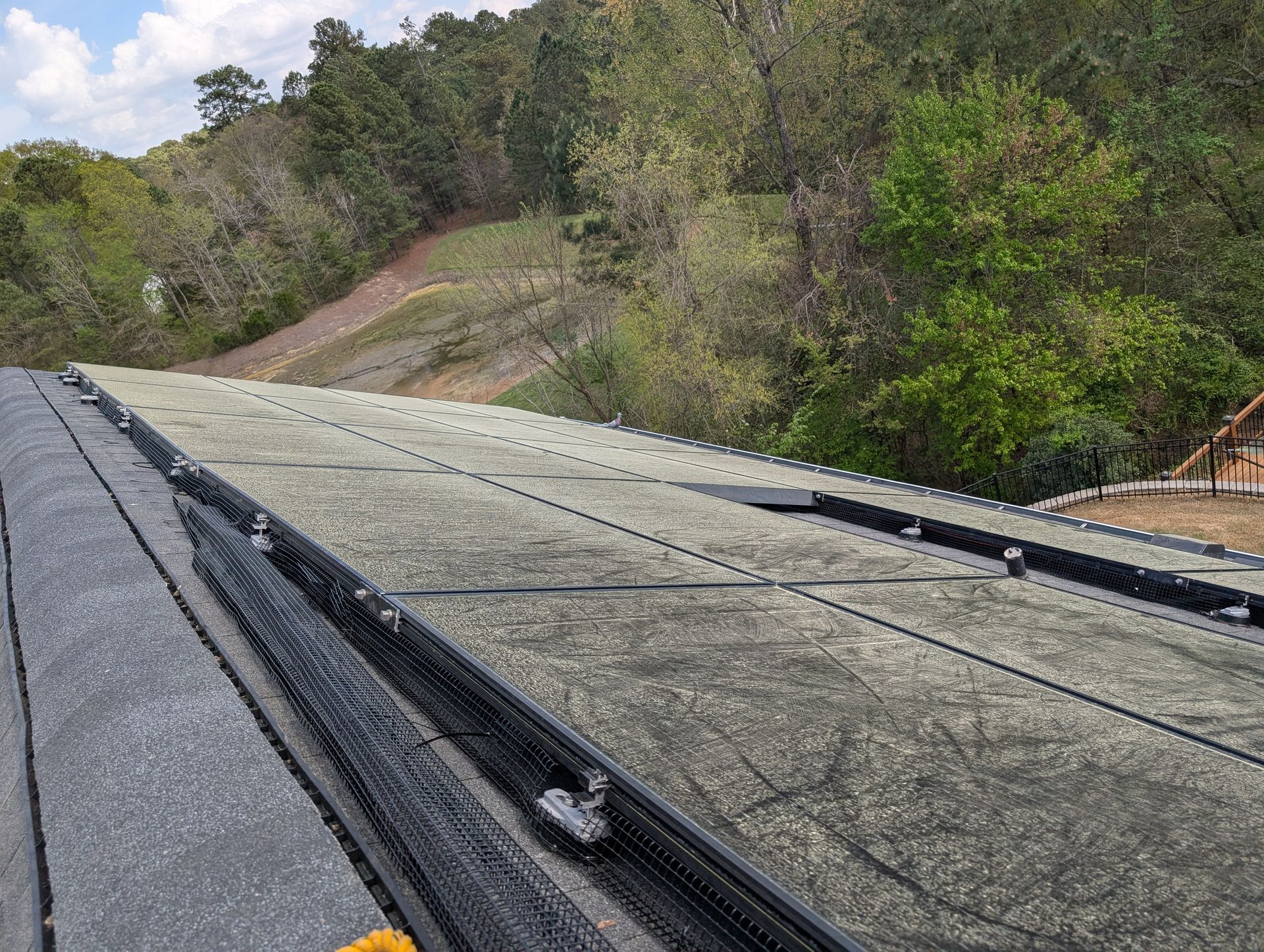
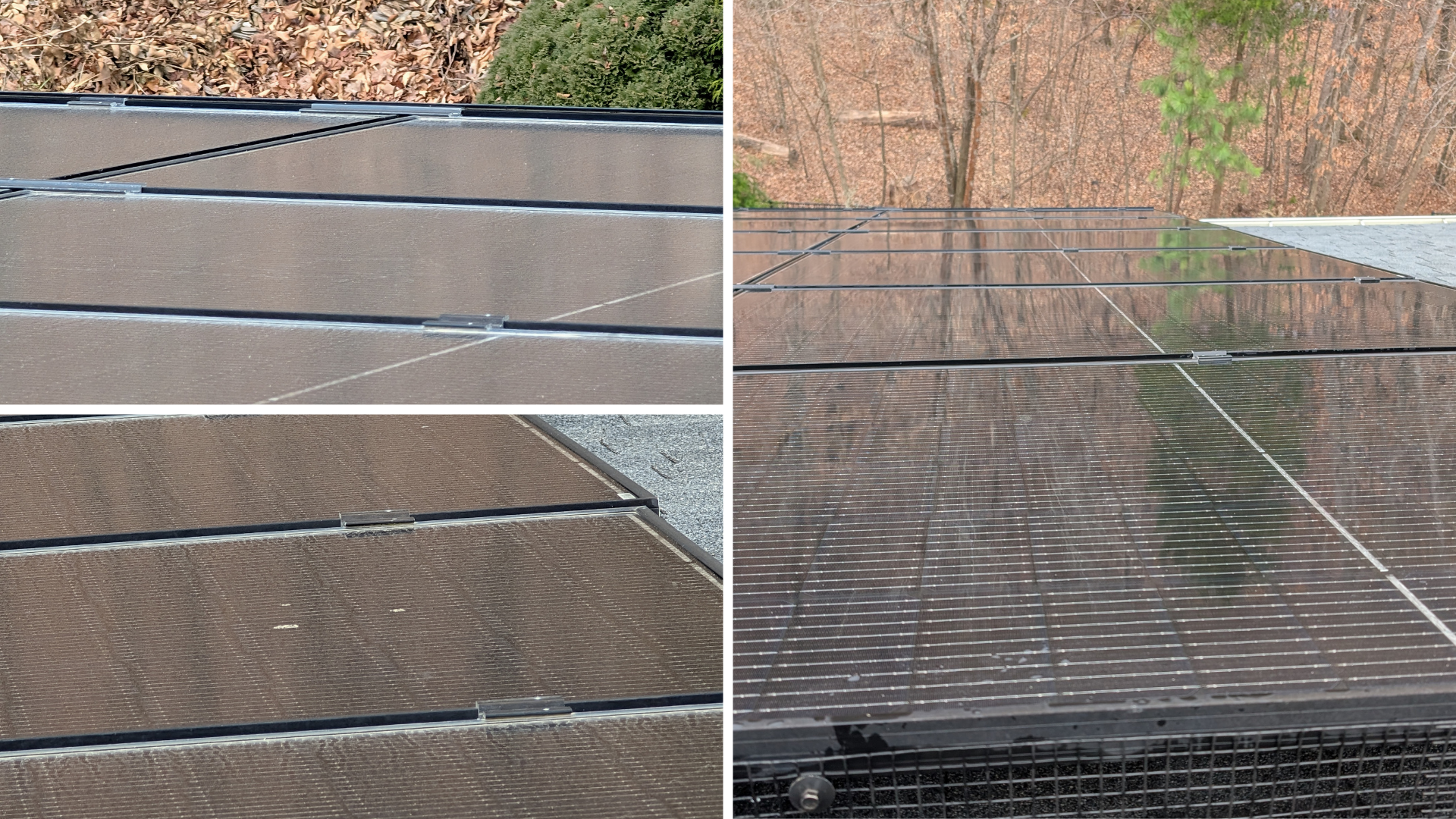
Pollen is made up of extremely fine particles that spread far and wide through the air. When pollen collects on solar panels, it forms a thin yellow film across the surface. Even a light coating can interfere with how sunlight reaches the solar cells.


Instead of light passing directly through the glass, some of the light is actually blocked by that pollen layer. Over time, this reduces the amount of energy the panels can produce.


Unlike heavier debris such as leaves or dirt clumps, pollen spreads evenly across the panel, meaning the entire surface may be affected rather than just one small section.

solar panels coated in a layer of pollen

Why Pollen Sticks to Panels

Pollen isn't just dry and dusty. It's naturally stick. This is nature's design so pollen can cling to insects, animals, and surfaces to help spread during pollination. 


That same stickiness means its easy for pollen to adhere to solar panels. Once it settles on the glass, it can combine with:

  • Morning dew
  • Humidity
  • Light rain
  • Airborne dust

This mixture can form a thin film that bonds to the panel surface more than ordinary dust would.

Why Rain is Not Enough

A common assumption is that rain will wash pollen away. In reality, rain usually moves pollen around rather than fully removing it.


Think of it the same way as a car during pollen season. After a rainfall, the vehicle might look slightly cleaner, but a hazy film or streaking often remains on the paint and glass.


Solar panels behave similarly. Rain may remove some loose particles, but it rarely provides the kind of rinsing and agitation needed to fully clear sticky pollen buildup. Imagine not washing your car for years and living in the Southeast - yikes.


Over time, layers of pollen and residue can remain on the panels until they are properly cleaned.

When is Pollen the Worst?

In most of the Southeast, pollen levels peak during the Spring months of March through May. During this period, it's common for solar panels to accumulate noticeable buildup within just a few weeks.


Trees are a large contributor to pollen buildup, followed by grasses and other plants.

solar panels coated in a layer of pollen

So What Do You Do?

Having your panels cleaned right before or during pollen season is generally not the best idea. They will simply get coated again and we do not recommend that to our customers.


What we advise is to have them professionally cleaned after the pollen season is over, to ensure they're nice and clean to head into the high-production Summer months.


The months following pollen season are always our busiest time of year and appointments go quick.


We highly recommend scheduling a time for your cleaning ahead of time. You can do so using the form below!

Request More Information

Check Out Other Posts

By Boosted Marketing February 7, 2026
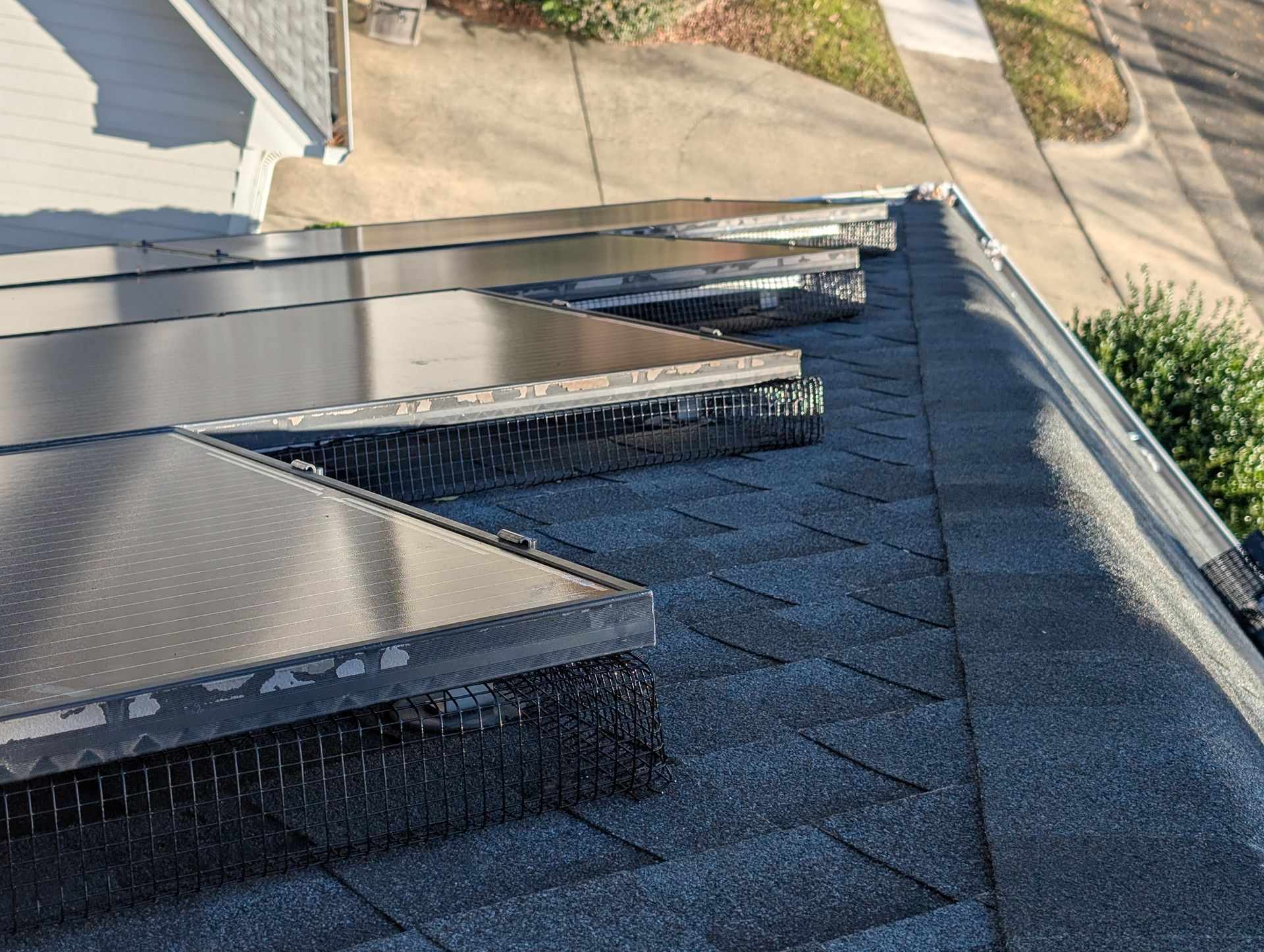
Not All Solar Critter Guards are Created Equal
By Boosted Marketing February 6, 2026
Solar panels are built to withstand the elements, but that doesn't mean they're immune to performance loss. One of the more common (and less understood) causes of reduced performance is due to soiling of the surface: the buildup of dirt, dust, pollen, bird droppings, salt residue, and other airborne debris on the panel surfaces. Fortunately, that problem is what Solar Clean Pros is in the business of solving.
By Boosted Marketing January 17, 2026
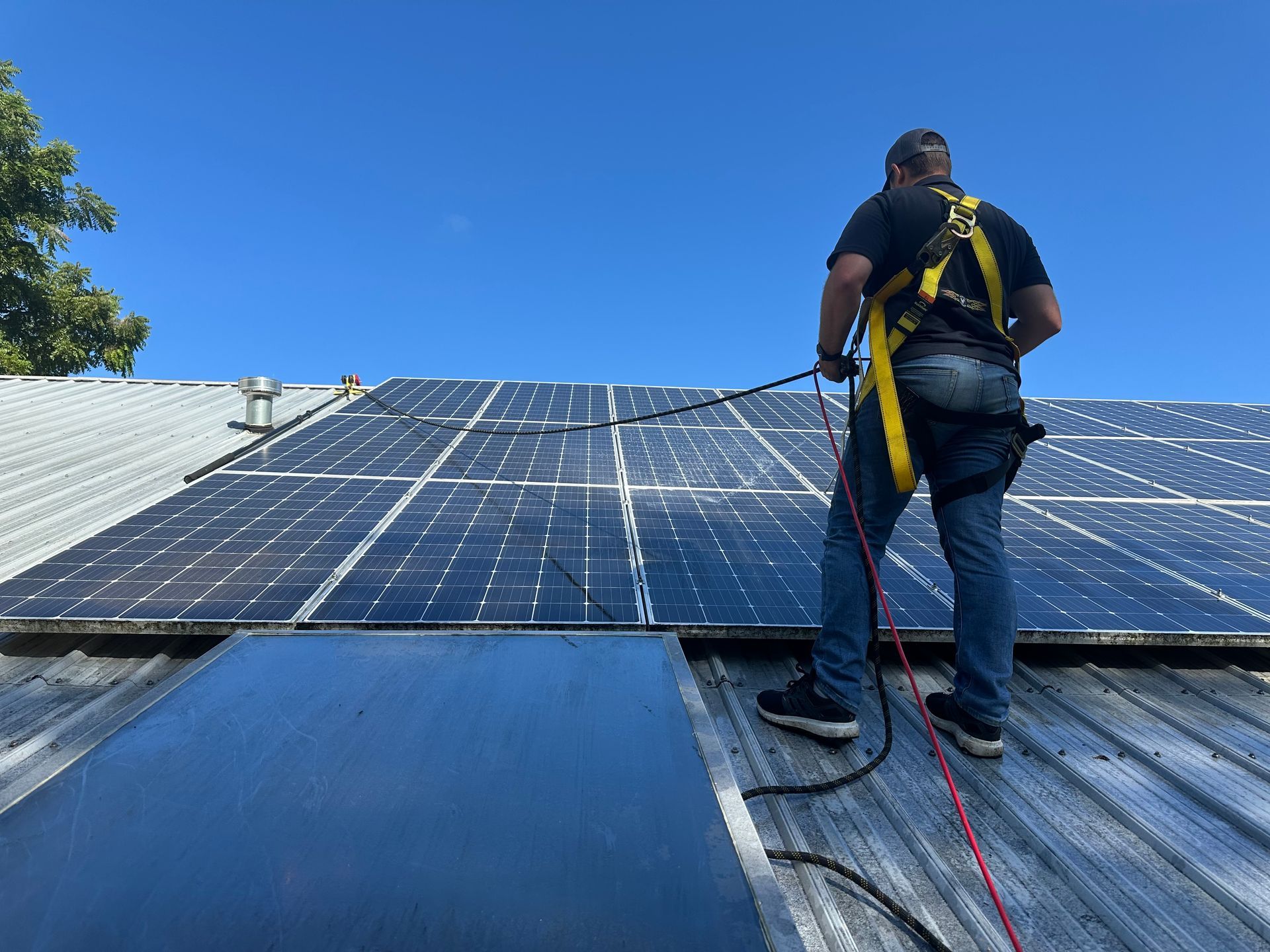
Solar panels are designed to be a low-maintenance investment, but that doesn't mean no maintenance is needed. Many customers have performance issues that can go unnoticed for months or even years because they're not visible from the ground. A visual inspection of your system helps catch small problems early, or identify the cause of ongoing problems to protect your performance and hopefully save you from costly repairs down the road. Here's some things we look for in our multi-point inspections that come standard with every solar cleaning appointment.
By Boosted Marketing November 27, 2025
Noticing lower solar output? Learn some of the common signs your panels are underperforming and how you can prevent issues before they cost you efficiency and money.
By Boosted Marketing October 15, 2025
A Hidden Problem You Might Have on Your Roof